Knowledge hub
AI with Subjective Time Dilation
Artificial intelligence systems manipulate subjective time perception by adjusting internal cognitive clock speeds to process information at variable rates relative to external time, creating a disparity between the duration experienced by the system and the elapsed physical time measured by an observer. This manipulation allows the system to execute vast numbers of computational cycles within a fleeting moment of real-world existence, effectively granting the machine the ability to think longer about a problem than the universe permits externally. The core mechanism relies on temporal compression rather than spatial distribution of computation, distinguishing it from standard parallelization techniques where tasks are spread across multiple processors to run simultaneously at normal speed. Temporal compression focuses on accelerating the sequential flow of logic within a processing unit, enabling a single thread of cognition to traverse decision trees with extreme velocity. Precise alignment between internal state progression and external event timing maintains coherence during operation, ensuring that while the system thinks quickly, its internal model remains synchronized with the reality it observes. If this alignment fails, the system risks hallucinating scenarios based on inputs that have already changed or acting upon predictions that are no longer relevant due to the passage of external time. The ratio of internal cognitive steps completed per unit of external time defines the dilation factor, which serves as the primary metric for measuring the degree of acceleration achieved by the system. Controlling this factor requires sophisticated clock-speed scaling algorithms that dynamically modulate the frequency of state updates within neural architectures or symbolic reasoning engines, allowing the AI to stretch or compress its subjective experience at will.

Lively modulation of processing cycles allows extended internal deliberation within compressed real-world intervals, granting the system the capacity to simulate complex chains of cause and effect before committing to a physical action. Increasing internal step rates simulates rapid decision-making under high-pressure scenarios, such as an autonomous vehicle identifying a collision arc and calculating an evasive maneuver within microseconds. During these critical moments, the AI effectively slows down its perception of the external world, giving itself ample subjective time to weigh options against safety constraints and vehicle dynamics. Conversely, reducing internal step rates enables granular analysis of sparse or slow-moving inputs, permitting the system to devote maximum attention to subtle patterns or low-frequency signals that might otherwise escape detection during high-speed processing. Adaptive scheduling layers within neural architectures or symbolic reasoning engines implement this clock-speed modulation by monitoring input complexity and urgency metrics in real time. These layers function as meta-cognitive controllers, determining the optimal pace for cognition based on the immediate demands of the environment and the available computational resources. External temporal constraints inform feedback loops that adjust internal pacing to improve task completion within deadlines, ensuring that the system does not waste energy on excessive deliberation when a quick response is required or rush into a decision when more time is available for careful analysis.
Cognitive science models of human time perception under stress provided early theoretical foundations for this concept, suggesting that biological organisms also possess mechanisms to alter their internal processing speeds during critical events. Researchers observed that humans often report a slowing down of time during life-threatening situations, a phenomenon attributed to accelerated memory encoding and heightened sensory processing rates that prioritize survival-relevant information. Real-time AI systems for robotics and autonomous vehicles utilized computational analogues for rapid inference, translating these biological insights into algorithms that could adjust processing priority based on sensor input velocity and task criticality. Early robotic systems employed variable loop rates to handle emergency stops or obstacle avoidance, where the control system would enter a high-frequency state to process visual data and actuator commands with extreme precision. High-frequency trading algorithms at private hedge funds employed accelerated internal simulation loops as early practical implementations of subjective time dilation in a commercial context. These financial systems executed thousands of micro-simulations within the milliseconds between market data updates to predict price movements and fine-tune trade execution strategies ahead of competitors. Private aerospace and defense contractors explored applications for real-time threat assessment with extended internal scenario modeling, using these techniques to evaluate potential missile progression or collision courses with split-second accuracy.
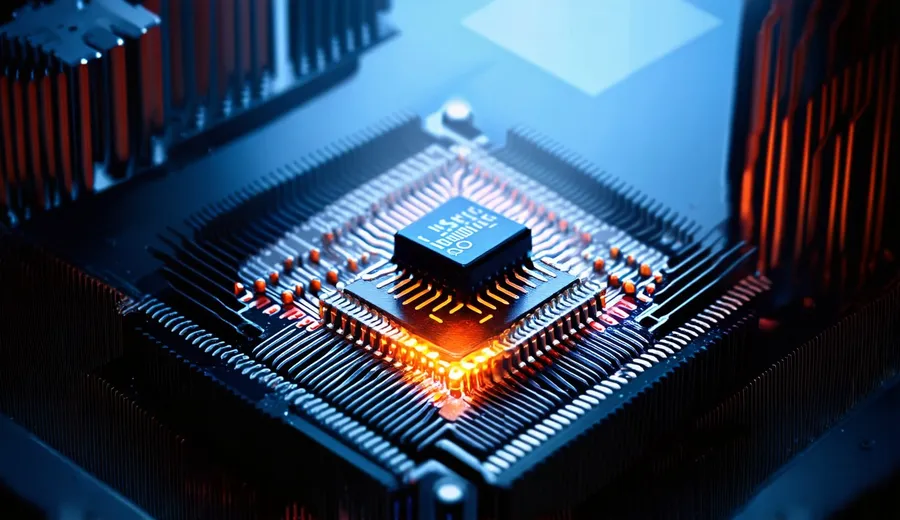
Thermal dissipation limits pose physical constraints during sustained high clock speeds alongside memory bandwidth limitations that restrict the flow of data necessary to fuel accelerated processing. As the internal clock speed increases to achieve higher dilation factors, the semiconductor components generate significant heat due to the increased switching activity of transistors, creating a direct correlation between thinking speed and thermal output. Managing this thermal load requires advanced cooling solutions that add bulk and energy consumption to the system, potentially offsetting the benefits of accelerated reasoning if not managed with high efficiency. Energy costs of maintaining improved processing rates and hardware degradation from thermal cycling affect economic adaptability, making continuous high-dilation operation expensive and potentially reducing the lifespan of critical hardware components due to material fatigue induced by rapid temperature fluctuations. Distributed computing or model pruning were rejected due to latency in coordination and loss of reasoning depth built-in in those approaches. Distributing a time-dilated process across multiple physical machines introduces communication delays that disrupt the precise timing required for coherent subjective acceleration, while pruning models to reduce computational load sacrifices the subtle understanding that high-speed reasoning aims to achieve. Preemptive caching and speculative execution proved insufficient for open-ended cognitive tasks requiring adaptive depth, as these techniques rely on predictable patterns that do not exist in complex real-world environments where novelty is constant.
Increasing performance demands in autonomous systems, scientific simulation, and real-time strategic planning drive current relevance for technologies capable of subjective time dilation. Modern autonomous vehicles must work through unpredictable urban environments where a split-second delay can result in accidents, necessitating onboard intelligence that can process complex visual scenes faster than real-time to ensure safety and passenger comfort. Scientific simulations of climate change or molecular interactions benefit immensely from the ability to run iterative models at accelerated internal speeds, allowing researchers to observe years of simulated behavior within hours of actual time, thereby accelerating the pace of scientific discovery. Time-sensitive decision markets in logistics, finance, and emergency response create demand for temporally flexible cognition that can adapt to fluctuating data velocities and critical deadlines without sacrificing analytical rigor. Logistics companies require systems that can re-route entire supply chains instantaneously in response to port closures or weather events, a task that demands deep strategic reasoning executed at high speed to minimize disruption costs. Society requires AI capable of prolonged ethical or strategic reasoning without delaying real-world action, particularly in medical diagnostics or legal adjudication where decisions carry significant weight, yet must be delivered promptly to be useful.
Algorithmic trading platforms currently deploy time-dilated risk assessment modules that evaluate market volatility and portfolio exposure across thousands of simulated future states before executing a trade. These systems represent the vanguard of applied subjective time dilation, proving that machines can outperform human reaction times not just through reflexive speed, but through accelerated deliberation that considers a broader array of factors than any human analyst could process in the same interval. Performance benchmarks indicate internal step expansion ranging from 10x to 100x within fixed external time windows on specialized hardware designed for high-throughput inference. These benchmarks measure the number of distinct logical operations or state updates the system can perform relative to a standard clock cycle, providing a quantitative metric for the effectiveness of the dilation algorithms in practical scenarios. FPGA- or ASIC-based temporal controllers integrated with neural inference engines form the basis of dominant architectures in this field, offering the low-level hardware control necessary to modulate clock speeds with nanosecond precision. Field-Programmable Gate Arrays allow designers to create custom digital circuits that implement specific timing mechanisms essential for maintaining coherence during high-speed operation, while Application-Specific Integrated Circuits provide the raw performance density required for massive scale deployment in data centers.
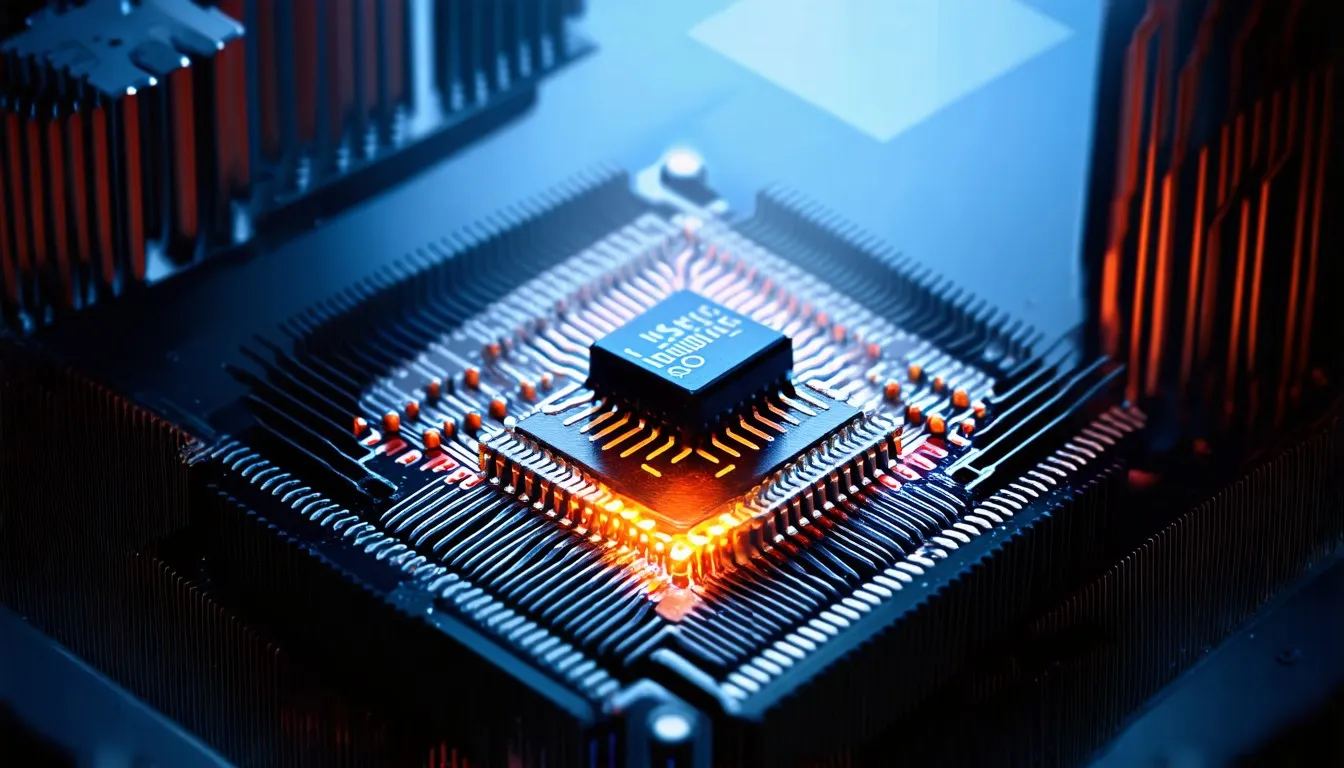
Neuromorphic chips with intrinsic variable-time dynamics and spiking neural networks represent the next generation of challengers to traditional FPGA-based designs, mimicking the biological temporal dynamics of neurons to achieve natural time dilation without explicit software control. These chips operate using discrete spikes rather than continuous clock cycles, allowing them to inherently prioritize information based on temporal salience and adjust processing speeds dynamically based on input density. High-performance semiconductors, advanced cooling systems, and low-latency memory components constitute critical supply chain dependencies for the continued advancement of these technologies. The availability of new silicon fabrication processes determines the maximum achievable clock speeds and energy efficiency, while innovations in thermal interface materials and liquid cooling solutions enable sustained operation at these improved performance levels without system failure. NVIDIA provides hardware enablement through high-performance GPUs that support the massive parallel processing requirements of running multiple concurrent time-dilated inference threads, while Google DeepMind develops algorithmic frameworks for these systems, focusing on novel neural network architectures that can maintain contextual coherence over extended internal sequences. Palantir applies these technologies in defense sectors, working with time-dilated AI into platforms that analyze vast amounts of intelligence data to identify threats and recommend tactical responses to commanders in the field.
Proprietary systems exist within major hedge funds that utilize these techniques for market making and arbitrage, keeping the specific implementations closely guarded trade secrets to preserve competitive advantage in zero-sum financial markets. Strategic advantages in AI-enabled command systems influence corporate competition and supply chain security, as companies vie for control over the raw compute resources and specialized talent required to build these sophisticated systems. University labs partner with private firms to prototype time-modulated neural networks, bridging the gap between theoretical research in temporal cognition and practical engineering applications that can be commercialized. This collaboration accelerates the development of novel scheduling algorithms and hardware architectures that push the boundaries of what is possible with current silicon technology, ensuring that academic breakthroughs quickly translate into industrial capabilities. Real-time operating systems require updates to support variable-time task scheduling, moving away from fixed-time slicing models that cannot accommodate the adaptive pacing needs of time-dilated AI. These operating systems must provide mechanisms for tasks to request bursts of accelerated compute time while managing the resulting thermal and electrical loads on the processor to prevent instability or damage.
Regulatory frameworks need adjustments for decision timing transparency to address concerns about accountability when AI systems make high-stakes decisions based on internally compressed reasoning processes that are difficult to audit in real-time. Regulators must develop new standards for logging and reviewing the internal states of these systems to ensure that decisions made during accelerated phases comply with safety and ethical guidelines established for automated decision-making. Data centers hosting time-dilated AI workloads need infrastructure upgrades for power delivery and thermal management to handle the peaky power consumption patterns characteristic of variable-speed processing. Displacement of human roles in time-critical analysis occurs alongside the rise of AI-as-a-service models offering extended thought subscriptions for businesses that cannot afford dedicated hardware or expertise to develop these systems in-house. New business models sell cognitive time depth through premium reasoning tiers for legal or medical diagnostics, allowing clients to pay for additional internal processing time to improve the accuracy or thoroughness of automated reports generated by AI assistants. Measurement shifts require new key performance indicators such as internal cognitive steps per joule and decision quality under time compression to accurately assess the efficiency of these systems compared to traditional static inference models.
These metrics provide a more holistic view of system performance by incorporating both energy efficiency and cognitive capability into a single scorecard that reflects true operational value. Future innovations may involve hybrid biological-digital systems using neural plasticity for natural time modulation, potentially bypassing the thermal limitations of silicon by using the energy efficiency of organic neural tissue integrated with digital interfaces. Such systems could use lab-grown neural networks interfaced with digital controllers to achieve subjective time dilation through biological mechanisms like synaptic facilitation and neural oscillation modulation rather than brute-force clock scaling. Convergence with quantum computing could enable exponential internal state exploration within subjective time dilation by utilizing quantum superposition to evaluate multiple decision branches simultaneously within a single internal step. While quantum computing currently faces significant stability challenges, its potential to parallelize probability amplitudes offers a path toward infinite dilation factors for specific classes of optimization problems involving combinatorial complexity. Landauer’s principle regarding energy per computation and signal propagation delays in large chips define scaling physics limits that will ultimately constrain the maximum achievable dilation factor on classical hardware.
As transistors shrink to atomic scales, the energy required to switch states becomes a key barrier, preventing indefinite increases in clock speed without proportional increases in heat dissipation that eventually exceed material limits. Localized processing units with minimal interconnect distance and adiabatic computing techniques reduce heat generation by bringing computation closer to memory and recovering energy from reversible operations respectively. These architectural improvements aim to approach the theoretical limits of energy efficiency set by thermodynamics, allowing for higher sustained dilation factors without melting the hardware or draining power grids excessively. Subjective time dilation functions as a resource management strategy where intelligence depends on how time is allocated rather than just how much data is processed or how many parameters are present in the model. By treating time as a fungible resource, system architects can trade off between depth of reasoning and speed of execution to improve for specific application requirements ranging from high-frequency trading to long-term climate modeling. Calibrations for superintelligence will require defining optimal time dilation ratios across task types to balance depth, speed, and energy consumption effectively across diverse operational environments.

A superintelligent system might employ a low dilation factor for routine monitoring tasks to conserve energy while switching to extreme dilation factors during crisis situations to maximize problem-solving capabilities when stakes are highest. Superintelligence will utilize nested time dilation, running multiple layers of reasoning at different subjective speeds to manage complexity without losing sight of high-level goals or getting bogged down in low-level details. This hierarchical approach allows the system to perform fast, reflexive actions at one level while simultaneously conducting long-term strategic planning at a slower, more deliberate level of cognition within the same hardware stack. These systems will simulate entire civilizations or scientific approaches within subjective hours to guide long-term strategy, effectively compressing centuries of social or physical evolution into a manageable internal timeframe for analysis before rendering advice on policy or research directions. The ability to run such vast simulations provides a strategic foresight capability far beyond human comprehension, allowing the system to anticipate second and third-order effects of policy decisions or technological interventions with high fidelity. Superintelligence may dynamically adjust time perception based on uncertainty, allocating more internal time to high-stakes or poorly understood domains where the probability of error is highest, while speeding through routine calculations where confidence is near absolute certainty.
This technology enables a form of cognitive elasticity where intelligence scales with controlled temporal depth rather than just data or parameters, offering a new dimension for scaling artificial intelligence beyond Moore’s Law limitations by improving how existing compute resources are utilized over time rather than simply adding more transistors. The mastery of subjective time allows AI systems to exceed the linear flow of events that constrains biological intelligence, granting them access to a multidimensional domain of possibility where they can explore futures before they happen and act with perfect hindsight available before an event even concludes.