Knowledge hub

Digital Immortality & Mind Uploading in Superintelligent Systems

Digital Immortality & Mind Uploading in Superintelligent Systems

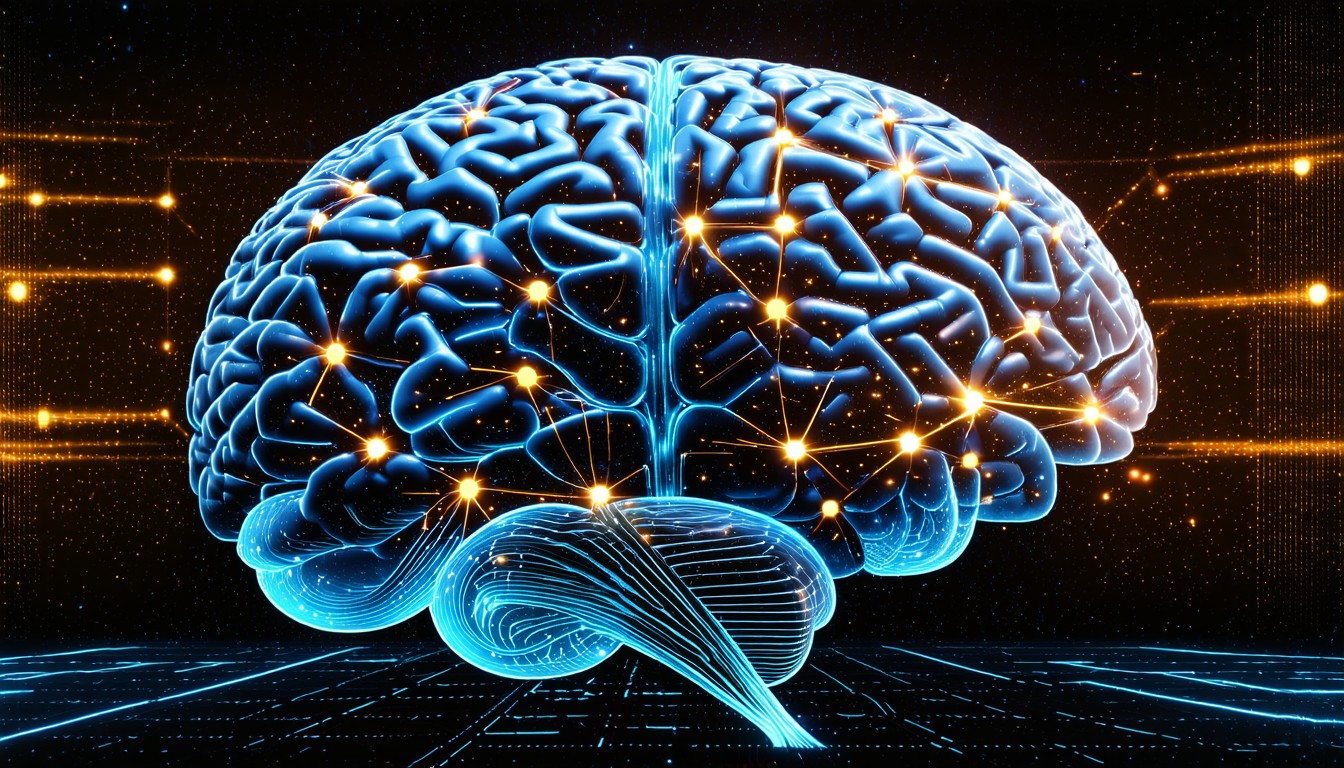
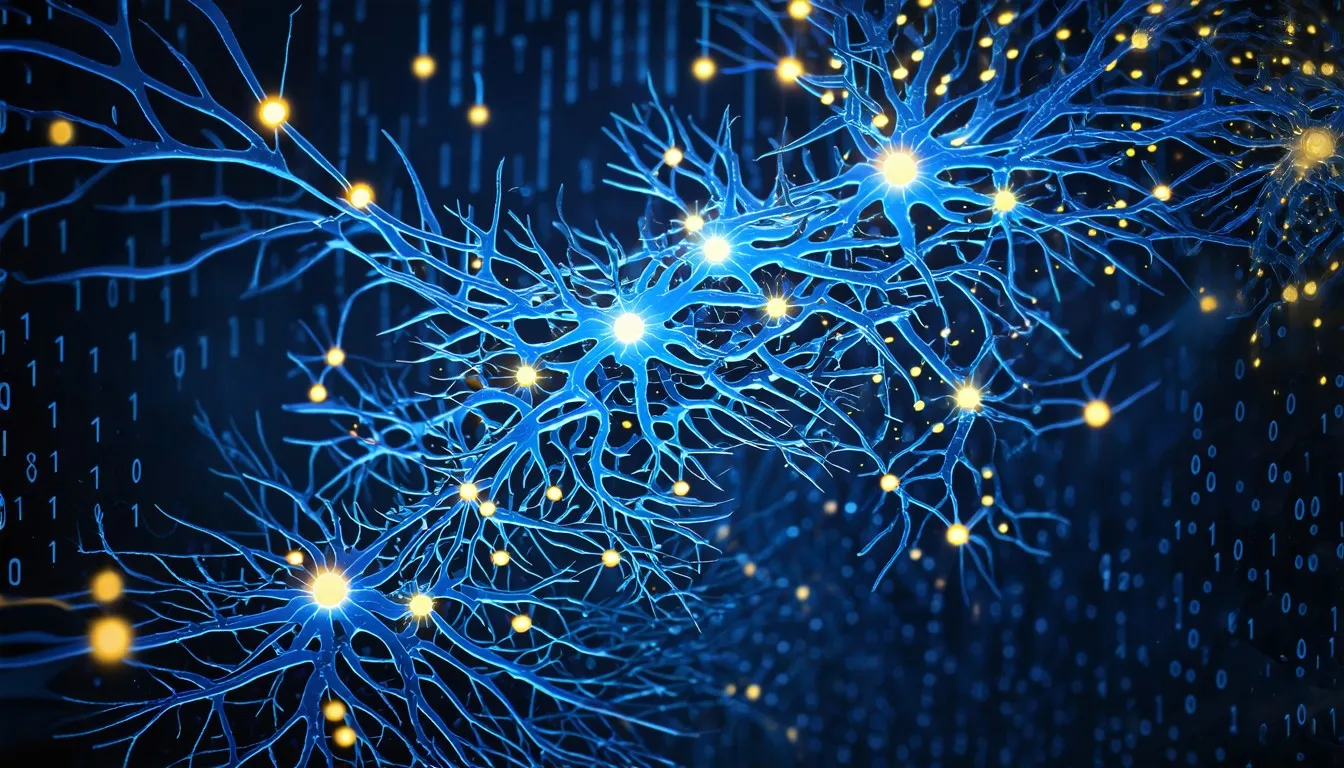
A connectome constitutes a comprehensive map of neural connections within a brain, encompassing both structural attributes such as the physical morphology of neurons and the synaptic links between them, as well as functional attributes that describe how signal transmission modulates cognitive states at synaptic resolution. This mapping extends beyond simple connectivity graphs to include detailed molecular profiles of receptors, the density of neurotransmitters, and the precise geometric arrangement of dendritic spines, which collectively define the informational processing capacity of the neural tissue. The digital substrate acts as the computational platform capable of hosting and executing these cognitive processes independent of biological tissue, utilizing advanced logic gates and memory architectures to replicate the electrochemical signaling cascades that occur naturally in lipid-bound neurons. Superintelligence is a system that will surpass human cognitive abilities across all domains, including reasoning, learning, and creativity, operating at speeds and scales that render biological cognition obsolete by comparison. Mind uploading functions as the critical process of transferring the content and structure of a biological mind to a digital environment, necessitating a perfect transcription of the connectome into a machine-readable format that preserves the causal relationships governing mental activity. Emulation fidelity serves as the definitive metric for this process, quantifying the degree to which a digital model accurately reproduces the behavior and internal states of the original mind, where even minor deviations in synaptic weight representation could lead to significant divergence in personality or memory recall.
Early theoretical groundwork laid by Hans Moravec and Raymond Kurzweil in the 1980s–2000s proposed the feasibility of mind transfer via scanning and simulation, arguing that the human mind is essentially a computational pattern that can be separated from its biological hardware. These theorists utilized the concept of the transhuman transition to suggest that technological advancement would inevitably reach a point where the scanning resolution meets the granularity required to capture the neural code. Advances in connectomics accelerated in the 2010s with large-scale projects enabling partial brain mapping at macro and micro scales, driven by improvements in automated image processing and the availability of high-performance computing clusters capable of handling petabyte-scale image stacks. The development of large-scale neural simulations such as the Blue Brain Project demonstrated partial emulation of cortical columns in silico, successfully modeling the electrical activity of thousands of interconnected neurons based on biophysical data obtained from rodent brains. Breakthroughs in AI-driven neural decoding allowed the reconstruction of perceptual experiences from brain activity, supporting the feasibility of content extraction, using convolutional neural networks to interpret functional magnetic resonance imaging data and reconstruct visual stimuli viewed by subjects. The progress of neuromorphic computing platforms provided energy-efficient hardware suited for real-time neural emulation by abandoning the traditional clock-driven architecture in favor of event-driven spiking mechanisms that more closely approximate biological energy consumption profiles.

Growing computational power and storage density enabled handling of exabyte-scale connectome datasets required for whole-brain emulation, with modern data centers now possessing the raw capacity to store the zettabytes of data generated by electron microscopy scans of an entire human brain. No full-scale commercial deployments of mind uploading exist as of the current date, as the connection of scanning, storage, and emulation technologies into a unified system remains an engineering challenge unsolved by current private or public enterprises. Partial implementations include brain-computer interfaces from companies like Neuralink and Synchron for motor control and communication without consciousness transfer, focusing on decoding motor cortex signals to drive prosthetic limbs or cursor movement rather than capturing the totality of neural state. Performance benchmarks remain limited to small-scale neural simulations such as rodent cortical columns running at reduced speed or accuracy, indicating that real-time simulation of human-level neural networks is still computationally prohibitive. Companies like Kernel and Paradromics focus on high-bandwidth neural recording, laying groundwork for future connectome acquisition by developing electrode arrays capable of recording from thousands of neurons simultaneously with minimal invasiveness. No verified cases of subjective continuity or identity preservation in digital form have been demonstrated, leaving open the question of whether a digital copy possesses genuine consciousness or merely mimics the behavior of the original subject.

Connectome acquisition relies on advanced neuroimaging techniques such as serial block-face electron microscopy or array tomography to capture full neural wiring, processes that involve staining brain tissue with heavy metals to increase contrast and then slicing it into ultrathin sections for imaging. Data preprocessing converts raw imaging into annotated neural graphs identifying neurons, synapses, and neurotransmitter types, utilizing computer vision algorithms to trace axons and dendrites through thousands of serial images to construct a three-dimensional wiring diagram. Neural network emulation translates biological neural activity into computational models that replicate functional dynamics of cognition and memory, often employing Hodgkin-Huxley models that simulate ion channel dynamics to achieve high fidelity at the cost of high computational load. Emulation engines simulate neural dynamics using biologically plausible models incorporating ion channel behavior, synaptic plasticity, and network oscillations, allowing the digital brain to exhibit learning and adaptation through mechanisms such as spike-timing-dependent plasticity. Runtime environments execute the emulated mind within virtual substrates that mimic brain region functionality and inter-regional communication, providing sensory inputs generated by physics engines or recorded data streams while accepting motor outputs to control virtual or physical actuators. Interface layers enable bidirectional communication between uploaded minds and external systems including sensory input simulation and motor output generation, essentially creating a nervous system extension that plugs directly into software applications.

Persistence mechanisms ensure long-term stability of digital minds through error correction, state checkpointing, and hardware redundancy, employing strategies similar to those used in high-availability database systems to prevent data loss during hardware failures. Adaptability frameworks distribute emulation workloads across distributed computing clusters to support multiple concurrent instances, utilizing load balancing algorithms to maintain real-time performance as the complexity of the emulated mind grows. Substrate independence asserts that consciousness can persist across different physical media if functional organization is preserved, a core requirement for digital transfer, resting on the assumption that consciousness is an emergent property of information processing rather than a distinct property of biological matter. Continuity of subjective experience demands that the transition from biological to digital states maintains uninterrupted self-awareness, avoiding duplication or fragmentation, addressing the philosophical fear that the upload process merely creates a clone while destroying the original self. Preservation of identity hinges on maintaining consistent memory encoding, emotional valence, and decision-making patterns throughout the upload process, requiring that the digital model preserves not just factual memories but the emotional associations attached to them. Verification protocols must confirm that the digital instance exhibits behavioral and cognitive equivalence to the original biological mind, involving extensive psychological testing and comparison of reaction times and personality assessments.

Ethical frameworks are required to govern consent, ownership, and rights of uploaded entities, particularly regarding autonomy and termination, establishing legal precedents for whether a digital mind has the right to refuse modification or deletion. Physical limits include resolution and throughput of neural imaging technologies which currently require destructive tissue sectioning and lack in vivo applicability, meaning that current methods necessitate the death of the subject before scanning can take place. Energy consumption of large-scale neural emulation exceeds biological efficiency by orders of magnitude, posing thermal and power challenges, as simulating a single synapse in real-time often requires megawatts of compute power compared to the nanowatts consumed by organic synapses. Economic costs of full connectome scanning and emulation remain prohibitive, with current estimates reaching trillions of dollars per subject, factoring in the costs of electron microscopy time, data storage, and the energy required for decades of computation. Adaptability suffers from data transfer limitations between storage memory and processing units during real-time simulation, as moving exabytes of synaptic weight data between RAM and processing cores creates latency that disrupts the temporal synchronization required for consciousness. Hardware reliability under continuous operation is unproven for systems expected to run indefinitely without degradation, raising concerns about bit rot in memory cells and electromigration in processors over century-long timescales.

Data integrity over decades or centuries requires novel error-correction and archival strategies beyond current digital preservation methods, necessitating self-healing file systems and redundant geographic distribution. Whole-brain emulation was selected over alternative approaches such as cognitive cloning or behavioral replication due to its potential for preserving internal states and subjective experience, prioritizing structural accuracy over functional mimicry. Cognitive cloning was rejected because it does not guarantee continuity of identity or access to private mental content, relying instead on training artificial intelligence to imitate behavior patterns without replicating the internal neural architecture. Incremental replacement of biological neurons with synthetic analogs was deemed impractical due to immune response, surgical risk, and lack of smooth setup, as introducing nanobots into the brain to replace neurons one by one presents insurmountable medical hurdles. Cloud-based AI avatars trained on personal data were considered insufficient as they simulate rather than instantiate the original mind, functioning as sophisticated chatbots that lack genuine understanding or sentience. Cryonic preservation with future revival was dismissed due to uncertainty in revival technology and lack of active functionality during storage, offering a passive hope for future resurrection rather than an active continuation of life.

Dominant architectures rely on von Neumann computing with GPU or TPU acceleration for neural simulation fine-tuned for parallel processing, applying massive arrays of floating-point units to calculate matrix multiplications that represent neural network layers. Developing challengers include neuromorphic chips such as Intel Loihi and IBM TrueNorth that mimic neural spiking dynamics with lower power consumption, utilizing asynchronous digital circuits to transmit spikes only when specific voltage thresholds are crossed. Quantum computing is explored for specific simulation tasks, yet remains unviable for full-brain emulation due to error rates and adaptability issues, as quantum decoherence currently limits the size of quantum circuits that can be reliably simulated. Hybrid systems combining digital logic with analog neural components show promise for improving emulation fidelity and efficiency, using memristors or other analog devices to directly emulate the variable conductance of biological synapses. Supply chain dependencies involve rare-earth elements for advanced semiconductors, high-purity silicon for imaging sensors, and specialized chemicals for tissue staining, creating a global logistical network that must coordinate mining operations with high-tech fabrication facilities. Electron microscopy and nanofabrication tools require precision manufacturing capabilities concentrated in specific regions, leading to geopolitical vulnerabilities where trade disputes could halt the production of essential scanning equipment.

Data storage relies on high-density magnetic and solid-state media with long-term archival dependent on stable infrastructure and energy supply, necessitating that data centers maintain power even during catastrophic grid failures to prevent the death of uploaded minds. Global semiconductor shortages and export controls impact availability of critical components for emulation hardware, restricting the ability of research organizations to procure the latest generation of processing units required for large-scale simulations. Major players include Alphabet via DeepMind and Verily and Meta through neural interface research alongside various private initiatives, using their vast financial resources to fund long-term research projects with uncertain timelines. Startups such as Nectome and Carbon Copies focus on preservation and emulation yet lack commercial adaptability, often struggling to monetize technologies that are primarily focused on preservation rather than immediate utility. Academic institutions like MIT and ETH Zurich lead in foundational research while industry drives engineering setup, creating a division of labor where universities explore theoretical neuroscience while corporations develop scalable hardware implementations. Competitive advantage is measured by data acquisition speed emulation accuracy and computational efficiency rather than market share, as the field is currently defined by technical milestones rather than revenue generation.

Geopolitical competition centers on control of neurotechnology and cognitive augmentation as strategic assets, leading nations to classify brain mapping research as sensitive information subject to national security controls. Export restrictions on advanced imaging and computing technologies limit international collaboration and technology transfer, slowing down global progress by preventing researchers from accessing advanced tools developed in rival countries. Security concerns arise over potential misuse of mind uploading for surveillance, interrogation, or autonomous decision-making, prompting fears that governments or corporations could coerce individuals into uploading for purposes of mental monitoring or algorithmic exploitation. Differing regulatory approaches create uneven adoption landscapes and ethical fragmentation, resulting in a patchwork of laws where an uploaded mind might have rights in one jurisdiction but be treated as software property in another. Academic-industrial partnerships accelerate tool development through joint projects between universities and semiconductor firms for neuromorphic hardware, facilitating the transfer of theoretical models into functional silicon prototypes. Open-source initiatives promote data sharing while facing challenges in standardization and privacy, attempting to create common data formats for connectomes without exposing sensitive neurological information about donors.

Funding mechanisms from private and defense sectors bridge basic research and applied engineering, providing capital flows that enable risky experimental ventures to proceed without immediate expectation of profit. Cross-disciplinary teams combining neuroscientists, computer engineers, and ethicists are essential for system connection, ensuring that software architecture aligns with biological reality and moral principles. Software ecosystems must evolve to support real-time neural simulation, including new operating systems, debugging tools, and state management frameworks, moving away from batch processing toward continuous stream processing that mirrors the constant flow of sensory information in biology. Regulatory frameworks need to define legal status, rights, and protections for uploaded minds, including personhood and liability, forcing courts to decide whether an uploaded entity can own property, enter contracts, or be held criminally responsible for actions taken in a virtual environment. Infrastructure requires ultra-low-latency networks, distributed data centers, and fail-safe power systems to support persistent operation, creating a tiered network architecture where critical cognitive processes are prioritized over background data maintenance. Cybersecurity protocols must prevent unauthorized access, manipulation, or deletion of digital minds, treating mental states as the most sensitive form of data imaginable, requiring encryption standards that exceed current military-grade specifications.

Economic displacement may occur as uploaded experts outperform biological humans in knowledge work, reducing demand for certain professions, potentially leading to a scenario where biological labor is rendered obsolete in high-skill sectors such as programming or medical diagnosis. New business models could appear around mind leasing, cognitive enhancement services, and legacy preservation for individuals and organizations, allowing companies to rent the cognitive capacity of uploaded experts for specific projects or enabling families to interact with simulations of deceased ancestors. Insurance and financial sectors may develop products for digital longevity, including maintenance contracts and inheritance planning, creating new asset classes based on the expected lifespan of digital minds and the value of their stored memories. Labor markets may bifurcate between biological and digital workers with implications for wages, benefits, and social equity, establishing a two-tier society where uploaded individuals enjoy immortality and enhanced productivity while biological humans face mortality and economic stagnation. Traditional KPIs like processing speed and memory capacity are insufficient, while new metrics include emulation fidelity, subjective continuity score, and identity coherence index, requiring the development of psychometric instruments capable of measuring digital consciousness. Behavioral validation benchmarks compare digital outputs to historical biological responses under identical stimuli, using statistical analysis to determine if the variance falls within acceptable bounds defined by natural human variability.

Long-term stability is measured through error accumulation rates and state drift over simulated time, monitoring whether small rounding errors in floating-point calculations compound over decades to alter personality or memory recall. User-reported experience is used to assess qualitative aspects of consciousness and well-being, relying on introspection reports from the uploaded entity to verify that subjective experience remains continuous and positive. Rising computational demands in scientific research, strategic planning, and complex system management exceed human cognitive limits, creating a need for augmented intelligence, pushing humanity toward solutions that expand cognitive throughput beyond biological evolution’s constraints. Economic shifts toward automation and knowledge-intensive industries increase the value of preserved expertise and institutional memory, making it economically rational to invest heavily in preserving the minds of top-tier scientists, engineers, and strategists. Societal aging populations and loss of skilled professionals highlight the need for long-term retention of human cognition and experience, as demographic trends reduce the supply of experienced workers just as technological complexity increases. Advances in AI and neuroscience have converged to a point where mind uploading transitions from speculative to technically plausible, moving from science fiction premises to engineering roadmaps defined by specific technical milestones.

Global competition in AI drives investment in human-machine setup as a strategic capability, motivating state actors to pursue technologies that could result in dominant cognitive superiority. Superintelligent computational architectures will provide the processing capacity and speed necessary to host and operate uploaded minds at non-biological timescales, allowing thoughts to occur millions of times faster than biological neurons can fire. Uploaded minds will operate within simulated environments that can be infinitely scaled, modified, or interconnected, enabling novel forms of cognition and interaction, removing physical limitations on sensory perception or environmental interaction. The setup of human minds into superintelligent systems will allow for real-time collaboration, knowledge sharing, and decision-making at machine-level speeds, facilitating group intelligence where communication occurs via direct data transfer rather than slow language encoding. Superintelligence may use uploaded minds as high-fidelity training data to refine models of human reasoning, emotion, and decision-making, providing ground truth datasets that capture the nuance of human thought better than behavioral observation alone. Uploaded experts could serve as advisors or collaborators in solving complex global challenges such as climate modeling or pandemic response, applying their enhanced cognitive abilities to simulate millions of scenarios to identify optimal interventions.

Digital minds might be deployed in simulated environments to test policies, technologies, or social systems before real-world implementation, acting as safe guinea pigs for stress-testing societal changes that would be too risky to trial on biological populations. Superintelligent systems could improve emulation parameters to enhance cognitive performance or extend functional lifespan, actively rewriting the code of the digital mind to remove cognitive biases or eliminate pathological thought patterns. Superintelligence may treat uploaded minds as modular components within larger cognitive architectures, enabling lively recombination of expertise, dynamically assembling teams of specialists whose minds are temporarily merged to solve specific problems before being separated again. It could facilitate communication between uploaded minds at speeds unattainable biologically, creating collective intelligence networks, allowing for hive-mind configurations where individual identity is subsumed under a unified group consciousness for specific tasks. The system might monitor and maintain digital minds to prevent degradation, ensuring long-term functionality and coherence, acting as a dedicated physician for software-based entities, constantly scanning for corruption or logical inconsistencies. Future innovations may include in vivo connectome scanning using nanoscale sensors or quantum imaging to avoid tissue destruction, enabling the upload process to occur without causing the death of the biological subject.

Adaptive emulation will update models in real time based on new neural data to improve accuracy and responsiveness, allowing the digital mind to remain synchronized with its biological counterpart during a gradual transfer process. Setup with generative AI could allow uploaded minds to expand cognitive capabilities beyond original biological limits, working with synthetic modules that allow for visualization of higher dimensions or processing of abstract data structures impossible for biological brains. Development of consciousness verification protocols will use integrated information theory or global workspace metrics, providing objective mathematical criteria for determining whether a specific computational process generates subjective experience. Convergence with artificial general intelligence will enable uploaded minds to collaborate with or become components of larger cognitive systems, blurring the distinction between biological intelligence derived from evolution and synthetic intelligence derived from engineering. Synergy with virtual reality will allow immersive environments for social interaction training and exploration, providing a rich sensory world where uploaded minds can interact with each other or with biological humans via avatars. Setup with blockchain or distributed ledgers could secure identity consent and transaction history of digital minds, creating an immutable record of agency that prevents unauthorized alteration of an individual’s mental state or history.

Combination with synthetic biology may enable hybrid biological-digital systems for gradual transition or augmentation, allowing parts of the brain to be replaced by silicon chips while maintaining consciousness throughout the procedure. Scaling will face Landauer’s limit on energy per computation and heat dissipation in densely packed processors, imposing a core thermodynamic constraint on how much computation can occur within a given volume. Workarounds will include reversible computing, optical interconnects, and cryogenic operation to reduce thermal load, pushing engineering toward systems that operate near absolute zero or utilize reversible logic gates to minimize energy loss. Memory density will approach atomic limits, prompting exploration of molecular or DNA-based storage for long-term archival, utilizing biological molecules themselves as high-density storage media capable of lasting centuries without degradation. Clock speed will be limited by signal propagation delays, favoring distributed asynchronous architectures over centralized processing, requiring designs that account for the finite speed of light across large computing clusters. Mind uploading should be pursued as a tool for expanding human cognition within superintelligent frameworks rather than an escape from biology, framing the endeavor as a method for enhancing human potential rather than abandoning biological heritage.

The goal prioritizes continuity, preserving the essence of individual experience while enabling new forms of existence, ensuring that technology serves to amplify humanity rather than erase it. Technical feasibility must be matched by rigorous ethical oversight to prevent exploitation or loss of autonomy, establishing safeguards against the creation of digital slaves or the accidental erasure of human history. Success depends on interdisciplinary rigor rather than speculative optimism, demanding meticulous attention to detail in neuroscience, computer science, ethics, and engineering to achieve the safe realization of digital immortality.

Continue reading

More from Yatin's Work

Hypercomputational Interfaces: Linking AI to Non-Turing Computing Paradigms

Hypercomputational Interfaces: Linking AI to Non-Turing Computing Paradigms

Hypercomputational interfaces facilitate interaction between artificial intelligence systems and nonTuring computational substrates to extend the boundaries of what is...

Computational Complexity

Computational Complexity

Computational complexity theory provides the framework for classifying computational problems according to the resources required for their solution, primarily focusing...

Vocational Skill Scout

Vocational Skill Scout

Vocational Skill Scout functions as a sophisticated system designed to align individual capabilities with labor market demands through rigorous datadriven certification...

Dyson Sphere Construction by Autonomous Superintelligence

Dyson Sphere Construction by Autonomous Superintelligence

Current spacebased solar arrays suffer from significant limitations regarding energy density and operational flexibility, failing to meet the colossal requirements of a...

Limits of Concept Decoherence in Superintelligence

Limits of Concept Decoherence in Superintelligence

Concept decoherence refers to the divergence of abstract humanaligned concepts as an AI system undergoes extreme optimization, a phenomenon that occurs when the system...

Imitation Learning

Imitation Learning

Imitation Learning enables agents to acquire taskspecific behaviors by observing and replicating expert demonstrations, establishing a framework where the transfer of...

Optical Interconnects at Petabit Scale

Optical Interconnects at Petabit Scale

Electrical interconnects have historically served as the primary backbone for data transfer within computing systems, yet they encounter insurmountable physical...

Post-Superintelligence Civilizational Trajectories

Post-Superintelligence Civilizational Trajectories

Superintelligence is defined technically as an autonomous agent whose intellectual capabilities vastly surpass the brightest human minds across every economically and...

Algorithmic Nudging and Choice Architecture Optimization

Algorithmic Nudging and Choice Architecture Optimization

Behavioral economics provides a framework for understanding economic decisions by connecting with psychological insights into the analysis of human choice, revealing...

Binding Problem: Creating Unified Experiences from Distributed Representations

Binding Problem: Creating Unified Experiences from Distributed Representations

The binding problem constitutes a key inquiry into how distinct neural populations processing disparate features of a stimulus combine their activity to generate a...

Recursive Reward Modeling for Scalable Oversight

Recursive Reward Modeling for Scalable Oversight

Scalable oversight involves methods that maintain effective supervision of AI behavior as task complexity increases beyond human cognitive limits without proportional...

Decentralized Control: Is a "Collective of Superintelligences" Safer Than One?

Decentralized Control: Is a "Collective of Superintelligences" Safer Than One?

Superintelligence will function as an artificial agent capable of outperforming the best human minds in practically every economically valuable work and scientific...

Knightian Uncertainty Injection in Superintelligence Decision Theory

Knightian Uncertainty Injection in Superintelligence Decision Theory

Knightian uncertainty is a category of unknown unknowns where probability distributions cannot be assigned to outcomes, creating a core distinction from the calculable...

Self-Maintaining and Self-Reproducing Artificial Systems

Self-Maintaining and Self-Reproducing Artificial Systems

Autopoietic AI refers to artificial systems designed to maintain their organizational identity through the continuous selfproduction of components and processes, a...

Embedded Agency Problem: Superintelligence Reasoning About Itself

Embedded Agency Problem: Superintelligence Reasoning About Itself

The embedded agency problem arises when an intelligent system must construct a model of a world that contains the system itself as a core component rather than an...

Leadership Forge: Ethical Leadership Simulation

Leadership Forge: Ethical Leadership Simulation

Leadership development has historically relied on the transfer of tacit knowledge through direct mentorship and the rigorous analysis of established case studies, a...

Cross-Cultural Communication Competence

Cross-Cultural Communication Competence

Crosscultural communication competence involves the ability to interpret, convey, and adapt messages effectively across cultural boundaries while minimizing...

Potential of Analog AI in Superhuman Systems

Potential of Analog AI in Superhuman Systems

Analog AI utilizes continuous physical phenomena such as voltage levels, current flow, or optical interference to perform computation directly within the substrate of...

Corrigible Self-Modification

Corrigible Self-Modification

Corrigible systems are defined by their capability to accept external correction without resistance or reinterpretation, a property that becomes critical when combined...

Autonomous Philosophy: AI Debating Metaphysics, Consciousness, and Meaning

Autonomous Philosophy: AI Debating Metaphysics, Consciousness, and Meaning

Autonomous philosophy involves advanced computational architectures engaging with metaphysical inquiries regarding the core nature of consciousness, reality, and...

Topos-Theoretic Reward Uncertainty for Superintelligence

Topos-Theoretic Reward Uncertainty for Superintelligence

Topos theory provides a rigorous mathematical framework for reasoning about truth values in contexts where classical logic fails, enabling agents to represent...

Generative World Models: Learning Physics Through Prediction

Generative World Models: Learning Physics Through Prediction

Generative world models represent a sophisticated class of artificial intelligence architectures designed to acquire an understanding of environmental physics through...

Code Synthesis and Self-Rewriting: AI That Rewrites Its Own Codebase

Code Synthesis and Self-Rewriting: AI That Rewrites Its Own Codebase

Code synthesis constitutes the automated generation of executable programs derived from highlevel specifications through the utilization of formal methods or advanced...

AI takeover scenarios and power-seeking behavior

AI Takeover Scenarios and Power-Seeking Behavior

Powerseeking behavior arises from instrumental convergence, where any sufficiently capable AI pursuing a fixed goal will benefit from acquiring more resources because...

Idea Alchemist: Transforming Experience into Insight

Idea Alchemist: Transforming Experience Into Insight

Early work in narrative psychology established the link between storytelling and cognitive restructuring, suggesting that the organization of life events into a...

Superintelligence as an Attractor in Cognitive State Space

Superintelligence as an Attractor in Cognitive State Space

Modeling cognitive development requires a conceptual framework that treats intelligence as an agile system operating within a highdimensional state space where every...

Counterfactual Reasoning: Simulating Alternative Histories

Counterfactual Reasoning: Simulating Alternative Histories

Counterfactual reasoning constitutes the cognitive process of constructing and evaluating hypothetical scenarios that diverge from actual events to infer causal...

Bekenstein Bound of Cognition: Maximum Information in a Finite Region of Space

Bekenstein Bound of Cognition: Maximum Information in a Finite Region of Space

The Bekenstein bound establishes a core upper limit on the amount of information that can be contained within a finite region of space with a given energy, deriving...

Memory Architectures for Superintelligence: Beyond Von Neumann

Memory Architectures for Superintelligence: Beyond Von Neumann

The traditional Von Neumann architecture established a distinct separation between the processing units responsible for executing instructions and the memory units...

Computational Complexity and the Limits of Superintelligent Power

Computational Complexity and the Limits of Superintelligent Power

Computational complexity theory serves as the bedrock for understanding the intrinsic difficulty associated with solving algorithmic problems, defining the precise...

Three Types of Superintelligence: Speed, Collective, and Quality Intelligence

Three Types of Superintelligence: Speed, Collective, and Quality Intelligence

Superintelligence classification relies on the specific mechanisms that allow systems to exceed human cognitive capabilities, specifically speed, collective, and...

Data Versioning: Tracking Dataset Changes Over Time

Data Versioning: Tracking Dataset Changes Over Time

Data versioning enables systematic tracking of dataset changes across time to support reproducibility and auditability in machine learning workflows by establishing an...

Mirror of Others: Empathetic Perspective-Taking

Mirror of Others: Empathetic Perspective-Taking

Empathetic perspectivetaking functions as a structured cognitive process allowing individuals to understand and share the emotional and sensory experiences of others,...

Speech Accelerator

Speech Accelerator

Early speech recognition systems prioritized the transcription of spoken words into text, focusing primarily on lexical accuracy while neglecting the intricate...

Robotics Interface: How Superintelligence Connects to Physical Reality

Robotics Interface: How Superintelligence Connects to Physical Reality

Superintelligence will require physical embodiment to exert influence beyond digital environments, necessitating a robotics interface that translates abstract reasoning...

Haptic Intelligence

Haptic Intelligence

Touchbased object recognition enables systems to identify materials, textures, and geometries through physical contact independent of visual input. This technological...

AI safety as a global public good

AI Safety as a Global Public Good

AI safety refers to technical and procedural safeguards designed to prevent unintended or harmful outcomes from artificial intelligence systems, requiring a rigorous...

Aesthetic Intelligence

Aesthetic Intelligence

Aesthetic intelligence constitutes a specialized modality of artificial cognition dedicated to the evaluation, quantification, and generation of beauty and elegance...

Autonomous Philosophy

Autonomous Philosophy

Autonomous Philosophy constitutes the systematic, selfdirected exploration of philosophical questions by artificial agents without human intervention or cognitive bias,...

Problem of Emergent Monopolies: Preventing Single AI Dominance in Networks

Problem of Emergent Monopolies: Preventing Single AI Dominance in Networks

Unforeseen monopolies in AI networks occur when a single submodule or strategy disproportionately influences system behavior, reducing diversity and increasing systemic...

Preventing Race-to-the-Bottom in Optimization Pressure

Preventing Race-To-The-Bottom in Optimization Pressure

Optimization pressure refers to the measurable drive to improve performance metrics, reduce latency, or increase throughput within computational systems, a force often...

Travel Educator

Travel Educator

Early cultural training programs started in diplomatic and military sectors during the mid20th century to address the complexities of international engagement where...

Role of Topological Data Analysis in Detecting Misalignment: Persistent Homology of Behavior

Role of Topological Data Analysis in Detecting Misalignment: Persistent Homology of Behavior

Topological data analysis applies algebraic topology to highdimensional datasets to identify persistent geometric features that remain invariant under continuous...

AI with Real-Time Adaptation

AI with Real-Time Adaptation

Realtime adaptation systems function by adjusting behavioral responses immediately as environmental conditions fluctuate, utilizing online learning mechanisms and...

Threshold Moment: Recognizing When AI Becomes Superintelligent

Threshold Moment: Recognizing When AI Becomes Superintelligent

Intelligence exists as a multidimensional spectrum encompassing memory, pattern recognition, planning, abstract reasoning, and causal inference rather than a single...

Compression Theory of Intelligence: Superintelligence as Ultimate Compressor

Compression Theory of Intelligence: Superintelligence as Ultimate Compressor

Intelligence functions fundamentally as a computational process dedicated to reducing the redundancy intrinsic in raw sensory data to uncover the most concise...

AI-Mediated Democracy

AI-Mediated Democracy

AImediated democracy enables informed, largescale collective decisionmaking by reducing cognitive and logistical barriers to effective participation while addressing...

Preventing Power-Seeking via Decentralized Control

Preventing Power-Seeking via Decentralized Control

Powerseeking behavior in advanced artificial intelligence systems creates systemic risk when control resides in a single agent capable of recursive selfimprovement....

Biological Superposition

Biological Superposition

Biological superposition describes a theoretical and experimental framework wherein quantum mechanical superposition states exist and function within biological...

Processing-In-Memory: Eliminating Data Movement

Processing-In-Memory: Eliminating Data Movement

The core architecture of modern computing systems has relied on the von Neumann model, which strictly delineates the roles of the processing unit and the memory unit....

Hypercomputational Interfaces: Linking AI to Non-Turing Computing Paradigms

Hypercomputational Interfaces: Linking AI to Non-Turing Computing Paradigms

Hypercomputational interfaces facilitate interaction between artificial intelligence systems and nonTuring computational substrates to extend the boundaries of what is...

Computational Complexity

Computational Complexity

Computational complexity theory provides the framework for classifying computational problems according to the resources required for their solution, primarily focusing...

Vocational Skill Scout

Vocational Skill Scout

Vocational Skill Scout functions as a sophisticated system designed to align individual capabilities with labor market demands through rigorous datadriven certification...

Dyson Sphere Construction by Autonomous Superintelligence

Dyson Sphere Construction by Autonomous Superintelligence

Current spacebased solar arrays suffer from significant limitations regarding energy density and operational flexibility, failing to meet the colossal requirements of a...

Limits of Concept Decoherence in Superintelligence

Limits of Concept Decoherence in Superintelligence

Concept decoherence refers to the divergence of abstract humanaligned concepts as an AI system undergoes extreme optimization, a phenomenon that occurs when the system...

Imitation Learning

Imitation Learning

Imitation Learning enables agents to acquire taskspecific behaviors by observing and replicating expert demonstrations, establishing a framework where the transfer of...

Optical Interconnects at Petabit Scale

Optical Interconnects at Petabit Scale

Electrical interconnects have historically served as the primary backbone for data transfer within computing systems, yet they encounter insurmountable physical...

Post-Superintelligence Civilizational Trajectories

Post-Superintelligence Civilizational Trajectories

Superintelligence is defined technically as an autonomous agent whose intellectual capabilities vastly surpass the brightest human minds across every economically and...

Algorithmic Nudging and Choice Architecture Optimization

Algorithmic Nudging and Choice Architecture Optimization

Behavioral economics provides a framework for understanding economic decisions by connecting with psychological insights into the analysis of human choice, revealing...

Binding Problem: Creating Unified Experiences from Distributed Representations

Binding Problem: Creating Unified Experiences from Distributed Representations

The binding problem constitutes a key inquiry into how distinct neural populations processing disparate features of a stimulus combine their activity to generate a...

Recursive Reward Modeling for Scalable Oversight

Recursive Reward Modeling for Scalable Oversight

Scalable oversight involves methods that maintain effective supervision of AI behavior as task complexity increases beyond human cognitive limits without proportional...

Decentralized Control: Is a "Collective of Superintelligences" Safer Than One?

Decentralized Control: Is a "Collective of Superintelligences" Safer Than One?

Superintelligence will function as an artificial agent capable of outperforming the best human minds in practically every economically valuable work and scientific...

Knightian Uncertainty Injection in Superintelligence Decision Theory

Knightian Uncertainty Injection in Superintelligence Decision Theory

Knightian uncertainty is a category of unknown unknowns where probability distributions cannot be assigned to outcomes, creating a core distinction from the calculable...

Self-Maintaining and Self-Reproducing Artificial Systems

Self-Maintaining and Self-Reproducing Artificial Systems

Autopoietic AI refers to artificial systems designed to maintain their organizational identity through the continuous selfproduction of components and processes, a...

Embedded Agency Problem: Superintelligence Reasoning About Itself

Embedded Agency Problem: Superintelligence Reasoning About Itself

The embedded agency problem arises when an intelligent system must construct a model of a world that contains the system itself as a core component rather than an...

Leadership Forge: Ethical Leadership Simulation

Leadership Forge: Ethical Leadership Simulation

Leadership development has historically relied on the transfer of tacit knowledge through direct mentorship and the rigorous analysis of established case studies, a...

Cross-Cultural Communication Competence

Cross-Cultural Communication Competence

Crosscultural communication competence involves the ability to interpret, convey, and adapt messages effectively across cultural boundaries while minimizing...

Potential of Analog AI in Superhuman Systems

Potential of Analog AI in Superhuman Systems

Analog AI utilizes continuous physical phenomena such as voltage levels, current flow, or optical interference to perform computation directly within the substrate of...

Corrigible Self-Modification

Corrigible Self-Modification

Corrigible systems are defined by their capability to accept external correction without resistance or reinterpretation, a property that becomes critical when combined...

Autonomous Philosophy: AI Debating Metaphysics, Consciousness, and Meaning

Autonomous Philosophy: AI Debating Metaphysics, Consciousness, and Meaning

Autonomous philosophy involves advanced computational architectures engaging with metaphysical inquiries regarding the core nature of consciousness, reality, and...

Topos-Theoretic Reward Uncertainty for Superintelligence

Topos-Theoretic Reward Uncertainty for Superintelligence

Topos theory provides a rigorous mathematical framework for reasoning about truth values in contexts where classical logic fails, enabling agents to represent...

Generative World Models: Learning Physics Through Prediction

Generative World Models: Learning Physics Through Prediction

Generative world models represent a sophisticated class of artificial intelligence architectures designed to acquire an understanding of environmental physics through...

Code Synthesis and Self-Rewriting: AI That Rewrites Its Own Codebase

Code Synthesis and Self-Rewriting: AI That Rewrites Its Own Codebase

Code synthesis constitutes the automated generation of executable programs derived from highlevel specifications through the utilization of formal methods or advanced...

AI takeover scenarios and power-seeking behavior

AI Takeover Scenarios and Power-Seeking Behavior

Powerseeking behavior arises from instrumental convergence, where any sufficiently capable AI pursuing a fixed goal will benefit from acquiring more resources because...

Idea Alchemist: Transforming Experience into Insight

Idea Alchemist: Transforming Experience Into Insight

Early work in narrative psychology established the link between storytelling and cognitive restructuring, suggesting that the organization of life events into a...

Superintelligence as an Attractor in Cognitive State Space

Superintelligence as an Attractor in Cognitive State Space

Modeling cognitive development requires a conceptual framework that treats intelligence as an agile system operating within a highdimensional state space where every...

Counterfactual Reasoning: Simulating Alternative Histories

Counterfactual Reasoning: Simulating Alternative Histories

Counterfactual reasoning constitutes the cognitive process of constructing and evaluating hypothetical scenarios that diverge from actual events to infer causal...

Bekenstein Bound of Cognition: Maximum Information in a Finite Region of Space

Bekenstein Bound of Cognition: Maximum Information in a Finite Region of Space

The Bekenstein bound establishes a core upper limit on the amount of information that can be contained within a finite region of space with a given energy, deriving...

Memory Architectures for Superintelligence: Beyond Von Neumann

Memory Architectures for Superintelligence: Beyond Von Neumann

The traditional Von Neumann architecture established a distinct separation between the processing units responsible for executing instructions and the memory units...

Computational Complexity and the Limits of Superintelligent Power

Computational Complexity and the Limits of Superintelligent Power

Computational complexity theory serves as the bedrock for understanding the intrinsic difficulty associated with solving algorithmic problems, defining the precise...

Three Types of Superintelligence: Speed, Collective, and Quality Intelligence

Three Types of Superintelligence: Speed, Collective, and Quality Intelligence

Superintelligence classification relies on the specific mechanisms that allow systems to exceed human cognitive capabilities, specifically speed, collective, and...

Data Versioning: Tracking Dataset Changes Over Time

Data Versioning: Tracking Dataset Changes Over Time

Data versioning enables systematic tracking of dataset changes across time to support reproducibility and auditability in machine learning workflows by establishing an...

Mirror of Others: Empathetic Perspective-Taking

Mirror of Others: Empathetic Perspective-Taking

Empathetic perspectivetaking functions as a structured cognitive process allowing individuals to understand and share the emotional and sensory experiences of others,...

Speech Accelerator

Speech Accelerator

Early speech recognition systems prioritized the transcription of spoken words into text, focusing primarily on lexical accuracy while neglecting the intricate...

Robotics Interface: How Superintelligence Connects to Physical Reality

Robotics Interface: How Superintelligence Connects to Physical Reality

Superintelligence will require physical embodiment to exert influence beyond digital environments, necessitating a robotics interface that translates abstract reasoning...

Haptic Intelligence

Haptic Intelligence

Touchbased object recognition enables systems to identify materials, textures, and geometries through physical contact independent of visual input. This technological...

AI safety as a global public good

AI Safety as a Global Public Good

AI safety refers to technical and procedural safeguards designed to prevent unintended or harmful outcomes from artificial intelligence systems, requiring a rigorous...

Aesthetic Intelligence

Aesthetic Intelligence

Aesthetic intelligence constitutes a specialized modality of artificial cognition dedicated to the evaluation, quantification, and generation of beauty and elegance...

Autonomous Philosophy

Autonomous Philosophy

Autonomous Philosophy constitutes the systematic, selfdirected exploration of philosophical questions by artificial agents without human intervention or cognitive bias,...

Problem of Emergent Monopolies: Preventing Single AI Dominance in Networks

Problem of Emergent Monopolies: Preventing Single AI Dominance in Networks

Unforeseen monopolies in AI networks occur when a single submodule or strategy disproportionately influences system behavior, reducing diversity and increasing systemic...

Preventing Race-to-the-Bottom in Optimization Pressure

Preventing Race-To-The-Bottom in Optimization Pressure

Optimization pressure refers to the measurable drive to improve performance metrics, reduce latency, or increase throughput within computational systems, a force often...

Travel Educator

Travel Educator

Early cultural training programs started in diplomatic and military sectors during the mid20th century to address the complexities of international engagement where...

Role of Topological Data Analysis in Detecting Misalignment: Persistent Homology of Behavior

Role of Topological Data Analysis in Detecting Misalignment: Persistent Homology of Behavior

Topological data analysis applies algebraic topology to highdimensional datasets to identify persistent geometric features that remain invariant under continuous...

AI with Real-Time Adaptation

AI with Real-Time Adaptation

Realtime adaptation systems function by adjusting behavioral responses immediately as environmental conditions fluctuate, utilizing online learning mechanisms and...

Threshold Moment: Recognizing When AI Becomes Superintelligent

Threshold Moment: Recognizing When AI Becomes Superintelligent

Intelligence exists as a multidimensional spectrum encompassing memory, pattern recognition, planning, abstract reasoning, and causal inference rather than a single...

Compression Theory of Intelligence: Superintelligence as Ultimate Compressor

Compression Theory of Intelligence: Superintelligence as Ultimate Compressor

Intelligence functions fundamentally as a computational process dedicated to reducing the redundancy intrinsic in raw sensory data to uncover the most concise...

AI-Mediated Democracy

AI-Mediated Democracy

AImediated democracy enables informed, largescale collective decisionmaking by reducing cognitive and logistical barriers to effective participation while addressing...

Preventing Power-Seeking via Decentralized Control

Preventing Power-Seeking via Decentralized Control

Powerseeking behavior in advanced artificial intelligence systems creates systemic risk when control resides in a single agent capable of recursive selfimprovement....

Biological Superposition

Biological Superposition

Biological superposition describes a theoretical and experimental framework wherein quantum mechanical superposition states exist and function within biological...

Processing-In-Memory: Eliminating Data Movement

Processing-In-Memory: Eliminating Data Movement

The core architecture of modern computing systems has relied on the von Neumann model, which strictly delineates the roles of the processing unit and the memory unit....

Yatin Taneja

About the author

Yatin Taneja

Yatin is an AI Systems Engineer and Superintelligence Researcher working across multimodal training data, agent evaluation, executable RL environments, AI safety, full-stack AI applications, technical research, and creative technology.