Knowledge hub
Nostalgia Educator: Superintelligence Helps Seniors Recapture Lost Knowledge
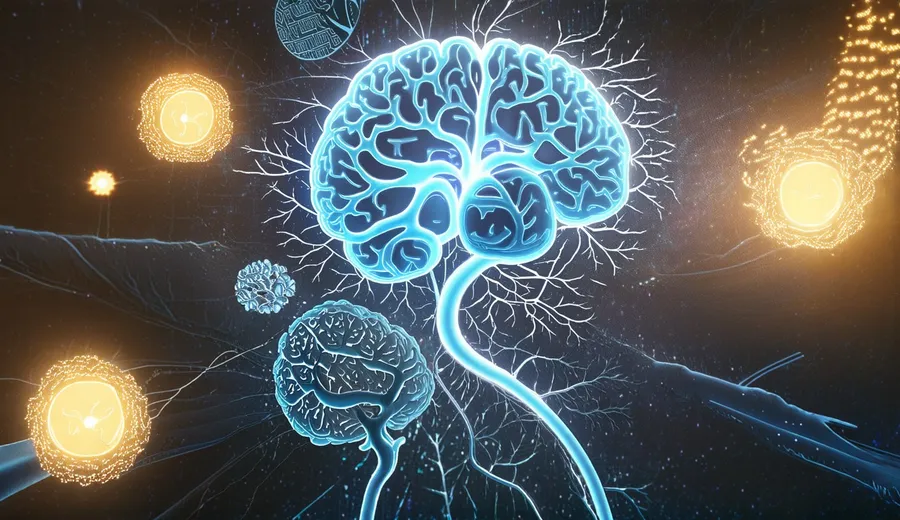
Global demographic shifts toward older populations increase demand for non-pharmaceutical cognitive maintenance tools as the absolute number of individuals experiencing age-related cognitive decline rises across developed and developing nations. This demographic transition creates an urgent requirement for scalable interventions that can address memory loss and cognitive deterioration without relying solely on pharmaceutical solutions, which often present limited efficacy for specific types of memory recall. Advanced artificial intelligence systems have come up as a primary vector for delivering these interventions by using the vast amounts of data required to create personalized educational experiences for seniors. These systems operate on the principle that the aging brain retains a significant capacity for neuroplasticity, provided it receives stimulation that is carefully calibrated to the individual’s residual cognitive strengths and personal history. The focus of these AI-driven educational systems is to assist older adults by applying nostalgia as a pedagogical anchor, which serves to lower the barrier for learning and re-engaging with dormant knowledge. By grounding new information or forgotten facts in contexts that are familiar from the user’s youth, these systems can bypass the confusion and anxiety often associated with modern learning interfaces. This approach recognizes that traditional educational models designed for young brains are frequently ineffective for older learners who process information differently due to changes in processing speed and sensory perception. The connection of superintelligence into this domain allows for a level of personalization and adaptability that was previously impossible with standard software or human tutors who lack access to comprehensive life histories of their students.

AI-driven educational systems currently assist older adults experiencing age-related cognitive decline or memory loss by applying nostalgia as a pedagogical anchor to facilitate the recovery of lost capabilities. These systems focus on re-teaching foundational skills such as basic arithmetic, native languages, reading comprehension, and practical life skills through contexts familiar from the user’s youth rather than abstract or modern scenarios. Instructional content often utilizes 1950s schoolroom settings, period-specific vocabulary, and analog tools to ground the learning experience in a time when the user’s cognitive acquisition patterns were at their peak. The choice of era-specific settings is deliberate because these environments map onto existing neural pathways that were formed during the individual’s formative years of learning. When a senior learner is presented with a blackboard interface or a textbook layout that mimics the visual style of their childhood education, the brain activates associated autobiographical memories, which can serve as a bridge to the semantic memory being targeted for rehabilitation. This method relies on the premise that while specific facts may have faded from immediate recall, the contextual framework in which they were originally learned remains robustly stored in the neural architecture. The system effectively reconstructs the environmental conditions of the original learning event to prime the brain for retrieval and reconsolidation of information. This pedagogical strategy contrasts sharply with modern digital literacy programs, which often fail because they require seniors to learn entirely new frameworks of interaction before they can even begin to address the subject matter.
Setup of reminiscence therapy principles involves using autobiographical memory triggers to enhance engagement, emotional valence, and neural reactivation within the senior learner. Reminiscence therapy has long been a staple of geriatric care due to its ability to improve mood and reduce agitation in patients with dementia, yet its application within an AI-driven educational framework transforms it from a passive activity into an active learning mechanism. The system utilizes detailed user profiles to select specific triggers such as music, photographs, cultural references, and historical events that are likely to appeal deeply to the individual’s personal history. These triggers are not merely decorative elements; they are integral components of the instructional design that serve to open the memory reconsolidation window. Application of memory reconsolidation theory relies on targeted retrieval of dormant knowledge followed by structured reinforcement to stabilize and strengthen synaptic pathways. When a memory is retrieved, it enters a labile state where it can be modified or strengthened before being stored again. The AI system is designed to detect this window of opportunity immediately after a user successfully recalls a piece of information or engages with a nostalgic trigger. During this critical period, the system presents reinforcing exercises or contextual information that helps to solidify the memory trace and integrate it more robustly into the user’s current cognitive framework. This process moves beyond simple rote memorization by actively restructuring the neural connections associated with specific memories or skills.
Context-aware learning algorithms adapt content delivery based on user-reported life history, cultural background, regional dialects, and era-specific references to ensure maximum relevance and efficacy. The sophistication of these algorithms allows them to parse complex biographical data and identify the optimal thematic hooks for presenting educational material. A user who grew up in a rural agricultural community in the 1940s will receive arithmetic problems involving crop yields and farm equipment prices, whereas a user from an urban industrial center might encounter scenarios based on factory production or retail transactions from the same era. This level of granular adaptation requires immense computational power and vast datasets of historical information to accurately simulate the sensory and linguistic environment of the user’s past. The core mechanism pairs forgotten knowledge domains with high-fidelity sensory and narrative cues from the individual’s past to lower cognitive load and increase retention. By reducing the extraneous cognitive load associated with working through unfamiliar interfaces or abstract concepts, the system allows the user to dedicate maximum mental resources to the actual task of learning or relearning. Reliance on episodic memory serves as a scaffold for semantic memory recovery by using personal milestones to timestamp and contextualize learning objectives. Episodic memories, which are specific events experienced by the individual, tend to be preserved longer in cases of age-related cognitive decline than semantic memories, which are general facts and concepts. The system applies this disparity by attaching semantic facts to strong episodic anchors, such as teaching a historical date by linking it to a major personal event like a wedding or a graduation ceremony that occurred in that same year.
Iterative feedback loops utilize performance data to inform adjustments in pacing, modality, and contextual framing to ensure the user remains in the optimal zone of cognitive challenge without becoming frustrated or bored. These feedback loops operate in real time, analyzing metrics such as response latency, error rates, and emotional indicators derived from voice analysis or facial expressions if permitted by privacy settings. The system constantly recalibrates the difficulty of the material and the intensity of the nostalgic cues based on this stream of data. Non-invasive interface designs prioritize accessibility over novelty to avoid inducing anxiety through gamification or competitive elements which are common in standard educational software. Many older adults find gamified elements such as leaderboards, timers, and cartoonish avatars to be patronizing or stressful, so these interfaces adopt a sober, dignified aesthetic that resembles traditional media or analog tools. System architectures currently comprise three integrated modules including user profiling, adaptive curriculum engines, and neurocognitive feedback monitors which work in concert to deliver a cohesive experience. The user profiling module handles the ingestion and organization of biographical data, the curriculum engine generates the instructional content and exercises, and the feedback monitor tracks physiological and behavioral responses to gauge efficacy.
Content libraries draw from digitized period-accurate educational materials such as textbooks, radio broadcasts, and handwriting samples aligned with the user’s birth decade to provide an authentic sensory experience. The authenticity of these materials is crucial because even minor anachronisms can break the immersion and disrupt the nostalgic effect that underpins the learning process. Real-time speech and handwriting recognition software adapts to older adults’ slower processing speeds and potential motor impairments by offering generous tolerances for input timing and accuracy. This software is trained specifically on the speech patterns of elderly individuals, which may include slower tempos, pauses, or distinct articulations caused by dental issues or other age-related changes. Offline-capable deployment options cater to users with limited internet access or significant privacy concerns by allowing the core AI models to run locally on edge devices within the home. This capability ensures that the system remains functional in rural areas or in situations where the user is uncomfortable with continuous cloud connectivity. Nostalgia-triggered learning embeds instructional content within autobiographically relevant scenarios to activate medial prefrontal cortex and hippocampal networks, which are critical for memory formation and retrieval.
The memory reconsolidation window is the brief period after memory retrieval during which stored information becomes temporarily labile and susceptible to modification or strengthening. Superintelligence enables precise timing of interventions to coincide with this window, thereby maximizing the impact of every learning session. Contextual fidelity defines the degree to which the learning environment mirrors the sensory, linguistic, and social conditions of the original learning context. High contextual fidelity means that the AI can reproduce not just the visual appearance of a classroom but also the ambient sounds, the style of the teacher’s voice, and even the social dynamics of that era. Cognitive reserve maintenance involves sustained engagement in mentally stimulating activities that build resilience against neurodegenerative decline. By keeping the brain active through challenging yet accessible learning tasks, these systems help to fortify the neural networks that provide resilience against conditions like Alzheimer’s disease. Early 2000s research provided empirical validation of reminiscence therapy in reducing depressive symptoms and improving quality of life in dementia patients. This body of research laid the groundwork for the connection of technology into therapeutic practices. 2012 marked breakthroughs in neural plasticity research demonstrating that retrieved memories can be updated or stabilized with targeted interventions. This discovery was a turning point because it suggested that memories are not static recordings but dynamic structures that can be manipulated therapeutically.
2018 saw the rise of personalized AI tutors in K–12 and corporate training which proved the efficacy of adaptive learning yet lacked geriatric focus. While these systems demonstrated that algorithms could outperform human tutors in pacing and personalization for young learners, they did not account for the specific needs related to cognitive decline in the elderly. 2021 clinical trials showed that emotionally salient, context-rich learning improves recall in older adults more effectively than rote repetition. These trials provided the necessary evidence to pivot development efforts toward nostalgia-based educational systems specifically designed for seniors. High-resolution archival data requirements present challenges as period-specific media and regional dialects are unevenly preserved across geographies. For a user born in a specific region of a country in the 1930s, finding authentic audio clips or text samples that reflect their exact dialect can be difficult if that region was underrepresented in mass media archives. Computational demands for real-time context matching limit deployment on low-end devices common among elderly populations. The processing power required to generate context-aware responses and analyze user behavior in real time often exceeds the capabilities of older tablets or smartphones.
Economic viability remains constrained by small addressable markets per specific birth cohort, despite aging global populations expanding the overall scale. Creating content for a specific decade requires significant investment in archival research and data curation, yet the market for users who specifically relate to that decade might be fragmented or limited in size. Flexibility faces hurdles due to the need for individualized profiling, which increases per-user costs compared to standardized educational technology solutions. Generic digital literacy programs often fail due to low engagement and an inability to address emotional or mnemonic barriers in older learners. These programs treat all seniors as identical units with deficits rather than individuals with rich histories and specific cognitive profiles. Virtual reality-based reminiscence simulations were considered and discarded over motion sickness risks, hardware complexity, and a lack of tactile feedback. While VR offers high immersion, the physical discomfort it causes in older adults often outweighs the benefits.
Crowdsourced memory platforms were explored and abandoned over privacy concerns, verification difficulties, and data consistency issues. Relying on users to provide accurate historical data introduces too much noise and risk into a system designed for therapeutic precision. Pharmacological cognitive enhancers were evaluated and ruled out due to side effects, ethical concerns, and an inability to restore specific lost knowledge. Drugs may improve overall brain function, yet they cannot target specific forgotten facts or skills with the precision required for educational reconstruction. Rising healthcare costs associated with neurodegenerative care create economic incentives for preventive, at-home interventions. Insurance providers and healthcare systems are increasingly interested in solutions that can delay the onset of severe dementia requiring institutional care. The decline in intergenerational knowledge transfer creates a cultural preservation imperative that digital tools can address. As family structures change and elders become more isolated, the knowledge they carry regarding local history, crafts, and traditions is at risk of being lost.
Advances in multimodal AI now enable reliable context-aware personalization in large deployments, making previously theoretical approaches feasible. These models can process text, audio, and images simultaneously to create a cohesive representation of the user’s past environment. Pilot deployments in senior centers across Japan and Sweden utilize tablet-based apps that teach arithmetic via 1950s-style shopkeeper scenarios. These pilots have demonstrated that seniors are more willing to engage with mathematics when it is framed as a transaction they might have performed thousands of times in their youth. Measured results from these pilots indicate a 20 to 30 percent improvement in short-term recall and a 15 to 20 percent increase in self-reported confidence after eight-week programs. Commercial products launched in 2024 integrate with electronic health records to track cognitive metrics over time. This connection allows physicians to monitor the progression of cognitive health objectively based on the user’s interaction with the educational system.
Benchmarks suggest users retain approximately twice the volume of relearned vocabulary after 90 days compared to control groups using standard language applications. The stark difference in retention rates highlights the efficacy of the nostalgia-based approach over traditional rote learning methods. The dominant approach involves transformer-based models fine-tuned on historical corpora paired with rule-based context engines for era-specific fidelity. This hybrid approach allows for the natural language generation capabilities of large models while maintaining strict historical accuracy through rule-based constraints. Neuromorphic computing prototypes are currently in development to mimic hippocampal replay mechanisms for more efficient memory reactivation. These hardware architectures aim to replicate the way the biological brain consolidates memories during sleep, potentially leading to more effective learning algorithms. Hybrid architectures are gaining traction by combining symbolic AI for curriculum logic with deep learning for speech and image recognition.
Symbolic AI ensures that the educational progression follows sound pedagogical principles, while deep learning handles the messy inputs of human speech and handwriting. Dependence on digitized public domain archives for authentic period content remains a constraint for non-Western regions. Much of the world’s historical data has not been digitized or is locked behind proprietary archives, limiting the ability to create authentic experiences for users from diverse backgrounds. Speech synthesis models require region-specific voice datasets from the mid-20th century, which are often scarce outside Western Europe and North America. Without authentic voice samples, the synthetic tutors may fail to trigger the necessary nostalgic associations. Hardware reliance on ruggedized tablets with stylus support creates supply chain vulnerabilities affecting deployment timelines. Older users often require devices that are durable and support stylus input due to difficulties with touchscreens, yet these specific devices are subject to global supply fluctuations.
Major technology companies dominate the market with vertically integrated platforms while startups focus on niche skills such as traditional crafts. The large scale required to build comprehensive historical datasets favors big tech companies with vast resources. Competitive differentiation relies on the depth of historical datasets, clinician setup, and offline functionality. Startups focusing on regional dialects are gaining traction in rural and indigenous communities where generic national content is less effective. Strict data anonymization mandates for health-related AI slow deployment while increasing user trust. The need to comply with regulations regarding sensitive health data requires rigorous engineering processes that can delay product releases. Health insurance providers are considering reimbursement codes for cleared cognitive maintenance tools, which may reshape market incentives. If insurance covers these tools, they will become accessible to a much broader segment of the population.
Cross-border data sharing restrictions hinder global model training on diverse aging populations. Data sovereignty laws prevent the pooling of data from different countries, which limits the ability to train strong models on minority languages and cultures. Academic institutions are collaborating with private hospitals on clinical validation of neural stabilization protocols. These partnerships are essential for proving the medical efficacy of these educational interventions. Industry consortia are establishing standards for ethical data use and outcome measurement. Standardization will help ensure that different products can be compared objectively on their ability to improve cognitive health. Electronic health record systems require new fields for tracking non-clinical cognitive engagement metrics. Current medical records are designed to track pathology rather than cognitive engagement or educational progress.
Regulatory frameworks need updates to classify cognitive maintenance tools as preventive care rather than medical devices in many jurisdictions. Classification as a medical device imposes heavy burdens that could stifle innovation in preventive wellness technologies. Broadband infrastructure gaps in rural areas necessitate offline-first design and local caching strategies. To reach underserved populations where cognitive decline might be exacerbated by isolation, these systems must function without high-speed internet. Caregiver training programs must incorporate digital tool literacy to support independent use by seniors. Caregivers often act as the initial setup support and ongoing tech support for these systems. Traditional adult education instructors may shift toward roles as AI facilitators or content curators. The human role changes from teaching directly to managing the AI that teaches.
Memory concierge services are offering personalized archival research to enrich user profiles. These services help families digitize photos and documents to feed into the AI system, creating a richer personalized experience. Insurance models are shifting toward covering preventive cognitive training to reduce long-term neurodegenerative care costs. The financial logic is clear: paying for inexpensive software now is cheaper than paying for institutional care later. New markets are developing for era-accurate digital content licensing such as vintage advertisements as language prompts. Companies that own archives of old media are finding new revenue streams by licensing this content to AI developers. Success metrics are shifting from completion rates to longitudinal cognitive stability and emotional well-being. Completing a course is less important than maintaining cognitive function over months or years.
Validated biomarkers, such as EEG patterns during recall, are needed to objectively measure synaptic strengthening success. Subjective reports are useful, yet objective physiological data provides stronger evidence of efficacy. The cognitive resilience index serves as a key performance indicator for public health and insurance underwriting. This index attempts to quantify an individual’s ability to withstand cognitive decline based on their engagement with stimulating activities. Connection of wearable biosensors detects optimal learning windows based on circadian rhythms and stress levels. Learning is most effective when the brain is alert and stress is low, so these sensors help schedule sessions at the right time. Cross-modal transfer techniques enable mastery in one nostalgic context to generalize to modern equivalents. Learning a skill in a vintage context eventually allows the user to apply that skill in a modern setting once the underlying neural pathway is restored.
Generative AI reconstructs missing personal memories such as simulating a user’s childhood classroom with user-verified accuracy. This capability allows the system to create highly specific environments even if no direct photographic record exists of the user’s actual school. Neural plasticity declines with age impose hard limits on relearning speed which workarounds address through spaced repetition at biologically fine-tuned intervals. The system fine-tunes the spacing of reviews to account for the slower biological processes of the aging brain. Energy efficiency constraints in edge devices limit real-time model complexity requiring precomputed context templates. To run on battery-powered tablets at home, some of the heavy computational lifting must be done in advance or in the cloud when available. Data scarcity for pre-digital-era populations requires synthetic data generation constrained by historical plausibility checks.
Where real data is missing, AI generates plausible facsimiles that are checked against historical records to ensure they are not misleading. Current approaches treat reminiscence as a motivational lever, while the deeper value lies in using it as a structural scaffold for reconstructing identity. Memory is not just about facts; it is about selfhood, and these systems help rebuild a sense of self that may have been eroded by cognitive decline. Success is measured by restored agency such as the ability to help grandchildren with homework or read correspondence without assistance. These functional improvements are more meaningful to users than abstract scores on cognitive tests. Superintelligence will dynamically map individual neural degradation patterns and reverse-engineer optimal relearning pathways in real time.
This is a leap from static curriculum adjustments to a fully dynamic model of the user’s brain that evolves constantly. Cross-user knowledge transfer will become possible by applying insights from one user’s successful neural recovery to others with similar profiles. Anonymized data from successful interventions can be used to accelerate the recovery of other users with comparable cognitive baselines. Hyper-personalized content generation will scale to include synthetic voices of deceased relatives as tutors with ethical safeguards. Hearing a familiar voice can be a powerful trigger for engagement and memory retrieval, yet this requires strict ethical boundaries to prevent manipulation. Predictive algorithms will forecast regional neurodegenerative trends and preemptively deploy localized curricula before significant memory loss occurs. Public health officials could use these tools to distribute preventative educational content to communities identified as high-risk.
Digital twin technology will converge with these systems to create persistent, evolving cognitive profiles that inform lifelong learning direction. A digital twin of a user’s cognitive state would allow for highly sophisticated predictions about future decline and optimal interventions. Ambient assisted living systems will collaborate with educational tools to trigger learning prompts based on daily routines. If a user struggles to perform a task in the kitchen, the ambient system could initiate a refresher lesson on that specific skill immediately. Heritage preservation AI will overlap with these efforts to document endangered languages and traditions through elder-led instruction. As elders teach these systems their native tongues or traditional crafts, the AI preserves this knowledge for future generations while simultaneously providing cognitive stimulation to the teacher.
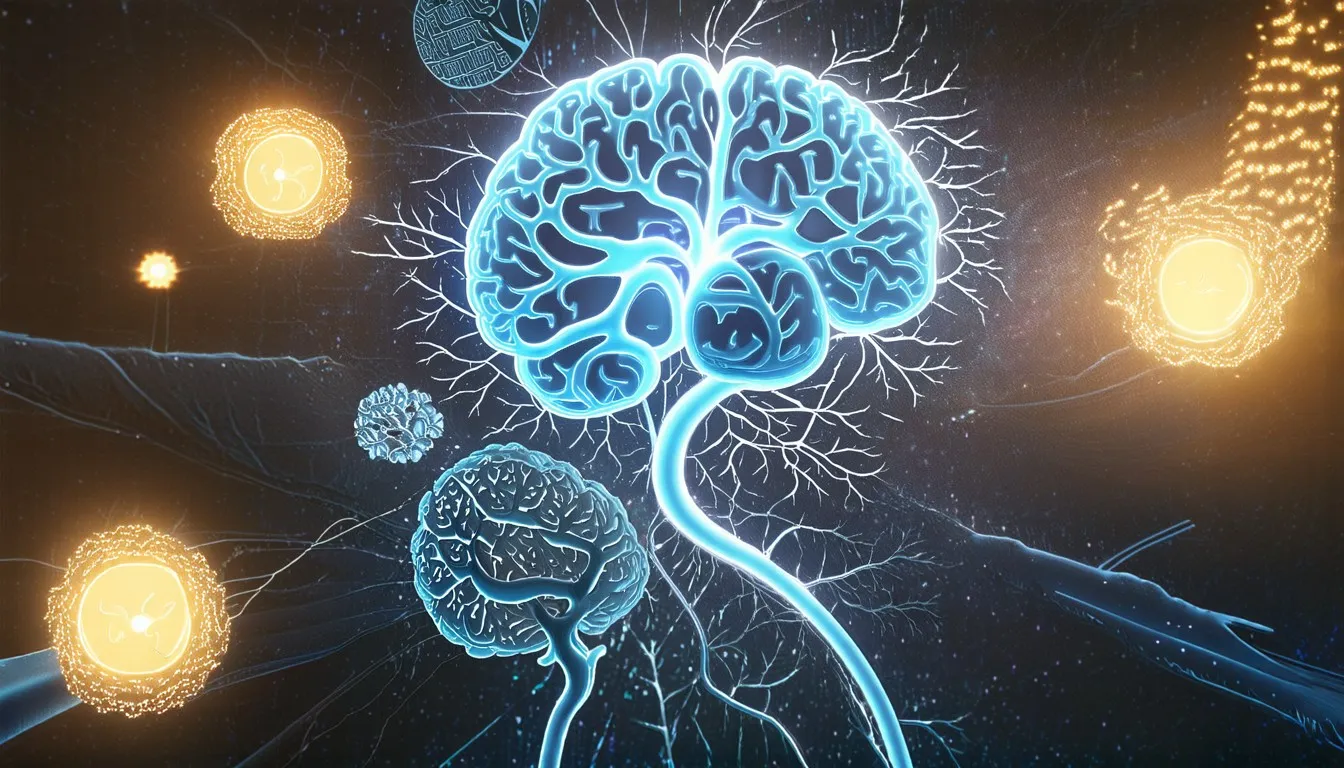
Data scarcity issues will resolve as superintelligence generates historically plausible synthetic data for underrepresented demographics. Advanced models will become capable of extrapolating from sparse data points to fill in gaps in the historical record with high fidelity. Direct neural interfaces will utilize advanced brain-computer interaction to bypass motor impairments and stimulate memory centers directly. For users with severe physical limitations, these interfaces could allow direct communication with the educational system without the need for keyboards or touchscreens. Intervention timing will improve to coincide with the biological peaks of memory reconsolidation windows detected by neural monitoring. Fully immersive generated realities will create perfect matches for the user’s childhood sensory environment, including smells and textures through advanced haptics and olfactory simulation. Procedural skill transfer will facilitate the relearning of physical tasks such as knitting or carpentry through direct haptic simulation guiding the user’s hands.
Continuous profile updates will detect the earliest signs of pathology and adjust the curriculum defensively to slow progression. Cognitive persona preservation will enable the retention of an individual’s entire cognitive persona for future interaction with descendants. This ultimate goal goes beyond treating decline to preserving the essence of a person’s mind, allowing future generations to interact with a simulation of their ancestor that retains their knowledge, personality, and memories.